
Running Track Cleaning and Line Marking Services in the UK

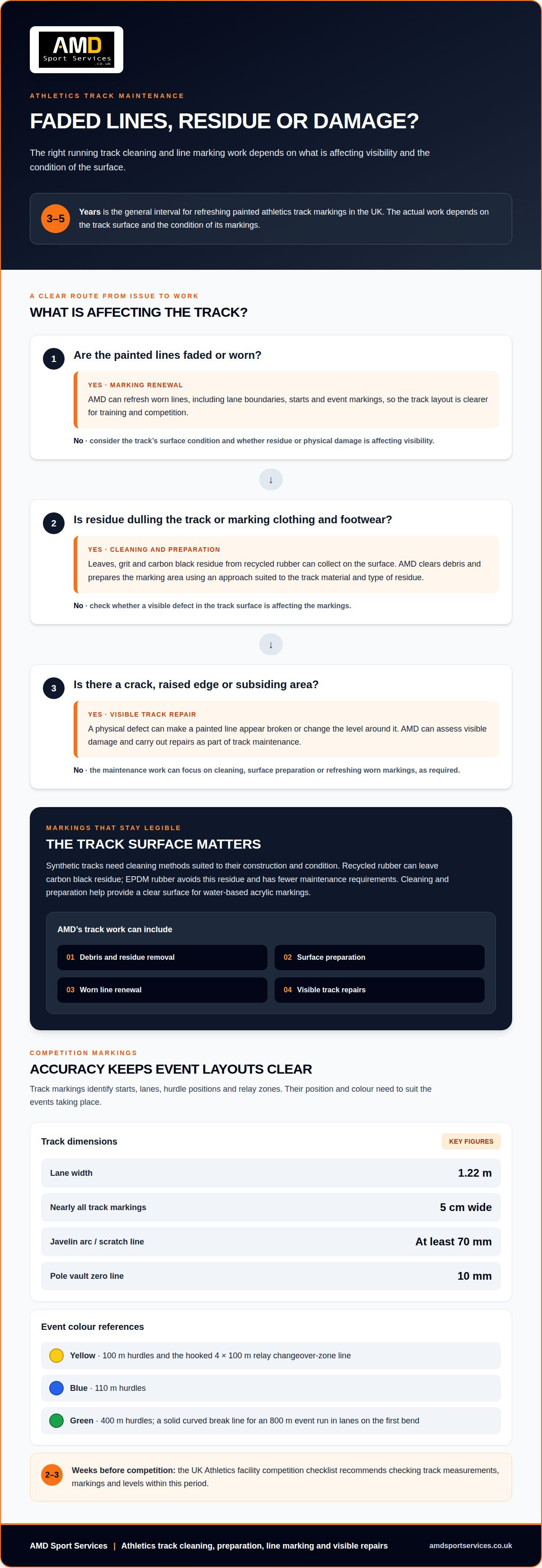
Faded track lines can make starts, lanes and event layouts harder to read. In the UK, painted athletics track markings generally need refreshing every 3 to 5 years, while the right approach to running track cleaning and line marking depends on the surface and the condition of the existing markings.
Cleaning and preparation come before new paint is applied, helping markings adhere to a clean surface. Painted lines gradually wear through use, so maintenance is about more than appearance: clear, correctly positioned markings help keep a track practical for training and competition.
This article explains how running track cleaning and line marking work, what can cause markings to wear and how cleaning, repairs and ongoing maintenance fit together. It also covers why the track surface and its condition matter when planning work, helping schools, leisure centres and facilities teams make informed decisions about maintaining an athletics track.
Running Track Repairs and Maintenance
AMD Sport Services provides athletics track cleaning, surface preparation, line marking and visible repairs. The work can cover the areas and tasks needed to maintain the track, from removing debris to refreshing worn markings and addressing visible defects.
Running Track Cleaning Processes
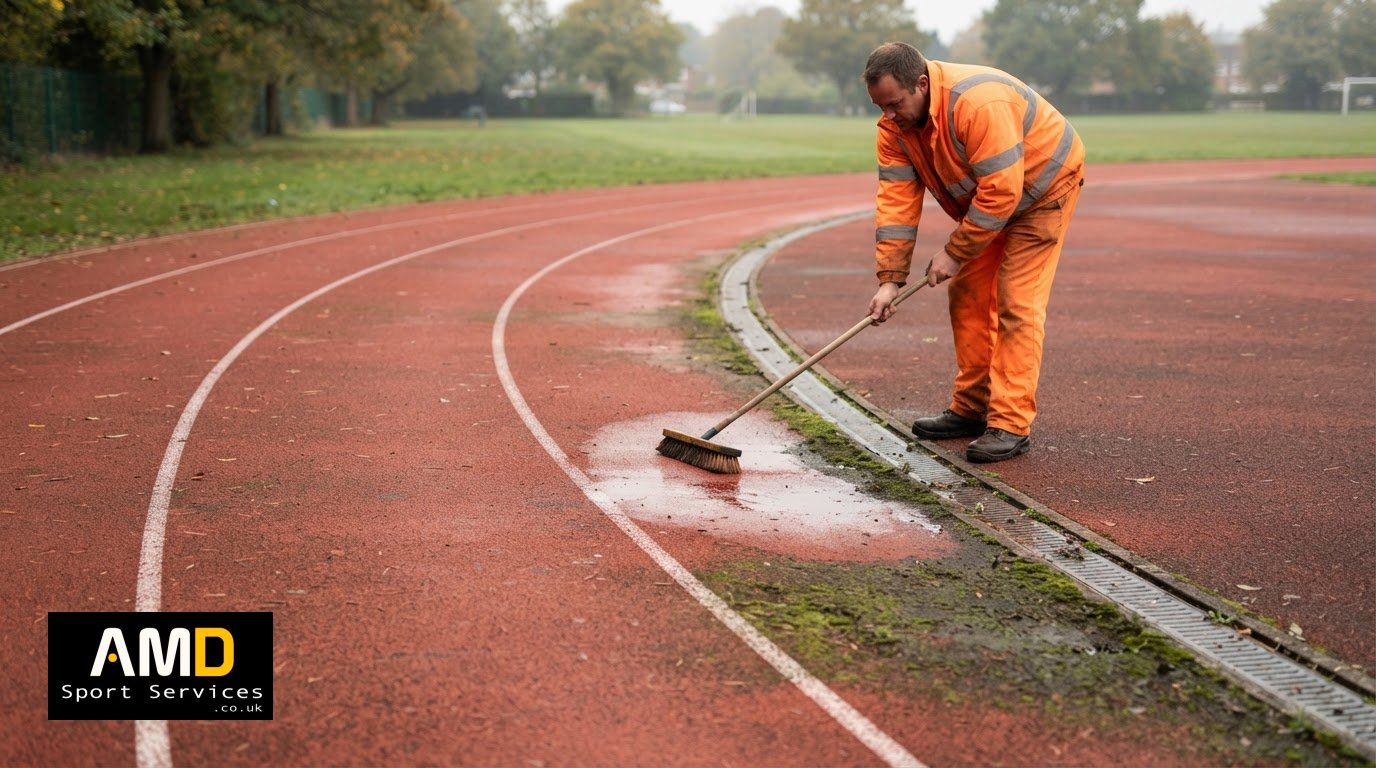
Cleaning removes leaves, grit and other debris that can collect on an athletics track. Recycled rubber can also produce carbon black residue, dulling the track’s colour and leaving particles that mark clothing and footwear. Before line marking, AMD cleans and prepares the surface so paint can be applied to a clear, suitable area. The work can also address the track’s condition, including worn markings and visible defects.
Suitable Cleaning Methods and Equipment
Synthetic tracks need cleaning methods suited to their surface material. AMD clears loose debris before washing, using an appropriate approach for the track’s construction and the type of dirt or residue. Water-based acrylic is commonly used for athletics track markings, so cleaning and preparation are important parts of the marking process.
Protecting Track Surfaces During Work
AMD matches the cleaning method to the track material and its condition. Marking areas are prepared carefully to avoid damage to adjacent sections, and lines are placed accurately so event layouts remain clear and usable. AMD can also carry out visible repairs as part of the track maintenance work.
Common Causes of Running Track Marking Damage
Repeated training and competition gradually wear painted lines. Runners pass over lane boundaries, start lines and relay markings, causing paint to rub away and become harder to see. Wear can be uneven: frequently used starts may fade while less-used markings remain clear. This affects more than appearance, as athletes rely on visible lines to identify lanes and event positions.
Surface contamination can also affect how markings look. Recycled rubber may produce carbon black residue, dulling the track’s colour and leaving particles on the surface. These particles can transfer to athletes’ clothing and shoes. Where residue collects around a white start line or coloured relay mark, the contrast between the paint and track may become less distinct.
Track damage can disrupt markings too. A crack crossing a painted lane line can make it look broken, while a raised or subsiding edge can alter the surrounding surface and create a visible change in level. These defects are different from thinning paint, so simply refreshing the marking may not address the underlying problem.
AMD Sport Services assesses faded markings, residue and physical damage to establish what work is needed. We can refresh worn lines, remove residue and repair track damage, addressing the cause of poor visibility rather than simply repainting over it.
Competition and UK Technical Standards
Competition markings identify starts, lanes, hurdle positions and relay zones. Their colours and placement need to match the events scheduled, rather than simply making the track look tidy. On a typical athletics track, each lane is 1.22 metres wide, and nearly all markings are 5 cm wide. These dimensions help explain why accurate setting-out matters when lines are refreshed.
Event markings use different colours to distinguish positions. Yellow markings indicate the 100 m hurdles, blue marks the 110 m hurdles, and green identifies the 400 m hurdles. For an 800 m event where the first bend is run in lanes, a solid green curved line marks the break line. Relay markings also differ: a yellow hooked line identifies changeover zones for the 4 × 100 relay, with each hook pointing towards the inside of its zone.
Some event details have their own specified dimensions. The javelin arc or scratch line should be at least 70 mm wide, while the pole vault zero line is 10 mm wide. These are distinct from the usual lane and start markings, so a refresh needs to preserve each mark’s event purpose and position. A faded line can be more than a cosmetic issue if athletes can no longer distinguish a start or takeover point.
For event preparation, the UK Athletics facility competition checklist recommends checking track measurements, markings and levels two to three weeks before competition. This gives time to identify discrepancies, such as a misplaced start or unclear relay zone. Use the track’s event programme as a practical reference when planning marking work, especially if the facility hosts several disciplines.
Running Track Cleaning in the UK
Cleaning needs to suit the track surface, not just the visible dirt. On synthetic athletics tracks, leaves, grit and rubber particles can collect across the running lanes, while recycled rubber may leave carbon black residue. This can dull the track’s colour and transfer onto clothing and shoes. Removing accumulated debris and residue helps keep the surface clearer for training and competition.
Routine maintenance depends on the surface type. Natural grass tracks need regular mowing as well as line repainting. Hybrid grass tracks also need mowing and upkeep because they contain natural grass. Artificial grass does not need mowing, and a weed-resistant membrane helps limit weed growth. Rubber mulch tracks need occasional sweeping and low-pressure washing. These differences matter when planning maintenance around a school term or leisure-centre programme.
Cleaning is also part of maintaining the track’s condition. Debris and residue can obscure markings, while raised or subsiding edges may create a change in level for people using the track. An assessment can distinguish surface cleanliness from physical defects, so cleaning is not mistaken for repair. The finish and drainage matter too: a usable track should have even ground and no trip edges.
Surface material can affect how much residue accumulates and how often cleaning is needed. EPDM rubber avoids the carbon black residue associated with recycled rubber and has fewer maintenance requirements. This helps explain why two synthetic tracks may need different maintenance schedules, even when used for similar athletics activities.
AMD Sport Services: Running Track and Marking Services
AMD Sport Services offers court marking renewal and Tartan track services for sports facilities. For schools, leisure centres and local authorities, these address different parts of an athletics environment: court marking renewal refreshes playing layouts, while Tartan track relates to the track surface.
Court marking renewal is relevant when existing markings have faded or no longer suit how the space is used. The work focuses on the markings, rather than damage to the underlying surface. Where several sports share an area, clear layouts help distinguish the spaces and activities. The required markings depend on the facility’s use and existing layout.
Tartan track services are relevant when a facility is considering its athletics track surface. Surface condition and intended use are practical points to discuss alongside marking requirements. Keep the scope clear: refreshing markings and addressing the track surface are not automatically the same job. A facility may need one or both.
For school business managers and facilities teams, describing the issue clearly helps define the work. Specify whether the concern is faded court markings, a track surface requirement or both. This gives AMD Sport Services a useful starting point for discussing the relevant service, without assuming that marking renewal will resolve a surface problem.
To discuss court marking renewal or Tartan track for your facility, contact AMD Sport Services.
Plan the Next Step for Your Track
For a school, leisure centre or local authority, start by defining what the facility needs from its track and surrounding sports areas. This separates a request for refreshed markings from work involving the track surface itself. AMD Sport Services provides court marking renewal and Tartan track services for these facility needs.
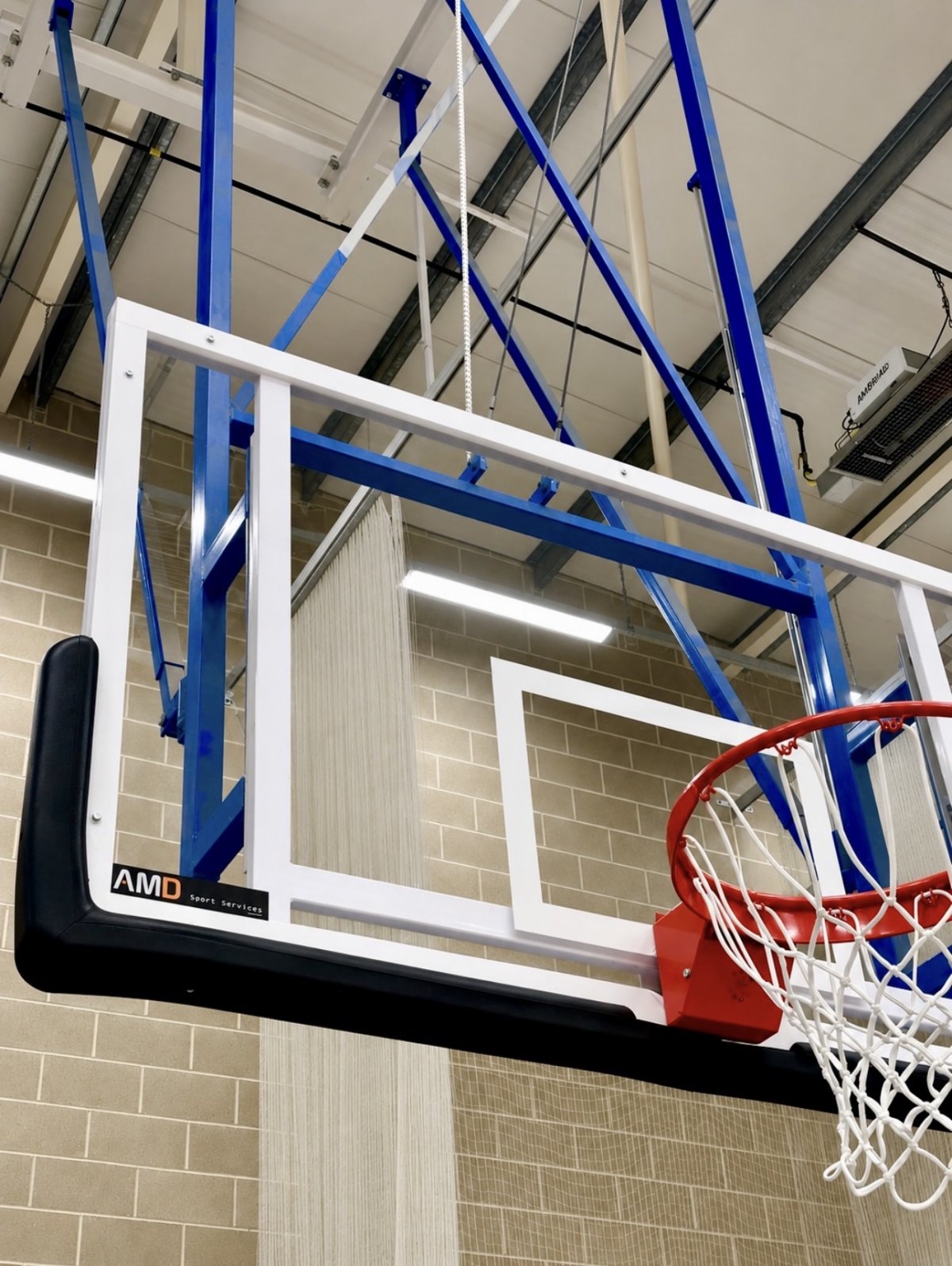
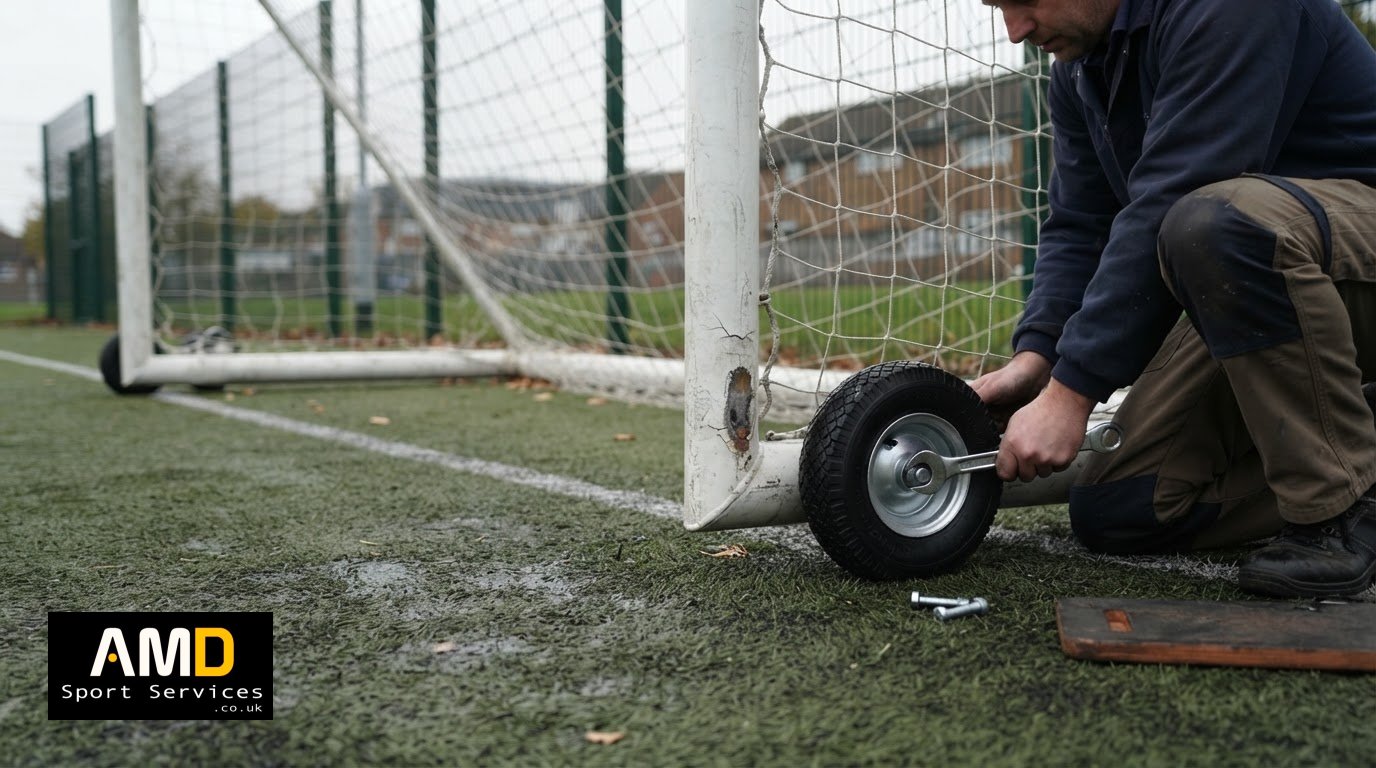
Other services include sports equipment safety inspections, basketball goal installation and safety surfacing. These may also be relevant when planning wider facilities maintenance alongside track work.
For running track cleaning and line marking in the UK, a clear discussion of the surface, its condition and the markings required can help establish a practical scope for the work. Discuss your sports facility requirements with AMD Sport Services and take the next step towards a well-planned project.
Frequently Asked Questions
How Are Running Track Lines Marked Or Refreshed?
Markings are set out to match the athletics events and the facility’s planned layout, then paint is applied to the relevant areas. The work may cover a single event mark or several parts of the track. A facility hosting school sports days, for example, may need a different marking schedule from one with a smaller event programme.
How Often Should Running Track Line Be Reapplied?
Painted athletics track lines generally need refreshing every 3 to 5 years. Facilities can use this interval to plan maintenance and budget discussions, while accounting for the track’s event programme and use. It is a general refresh interval, not a fixed timetable for every painted line. Inbuilt markings have a different lifespan because they can last as long as the surface.
How is Weather Affecting the Marking Processes?
Weather can affect the timing of track-marking work because site conditions influence whether the work can proceed. When planning around a school term, leisure-centre programme or competition calendar, allow for scheduling flexibility. The track surface and conditions need to be assessed before setting a work date, rather than assuming every planned slot will suit the job.
Is Professional Line Marking Regulation-Compliant?
Professional marking can follow the event layout and relevant competition requirements, but applying markings does not certify a track or venue for competition. Markings are only one part of a facility’s overall condition and suitability. A correctly placed start line, for example, does not establish that the track’s measurements or levels meet the requirements for a particular event.
What Colours Are Standard for Athletics Track Lines?
There is no single colour for every athletics track marking; the choice depends on the event and layout. Facilities hosting several disciplines need a marking plan that keeps event positions clear and consistent. This is especially useful where starts, relay areas and hurdle positions share the track, helping athletes and event staff identify the relevant marks.
What Equipment is Needed For Marking?
Marking work requires paint and equipment suited to setting out and applying the lines. The equipment depends on the surface and the job’s scope, from refreshing one event mark to completing a larger layout. For running track cleaning and line marking in the UK, choose equipment that suits both the track surface and the work planned.
Comments