
Sports Facility Maintenance Contractor UK: A Practical Guide

What happens when a worn sports surface, faulty equipment and a busy facility schedule all need attention at once? For schools, councils, leisure centres and clubs, identifying the problem is only part of the challenge. A sports facility maintenance contractor UK facilities can rely on should be able to inspect, repair, install and refurbish specialist equipment and surfaces, with the work planned around how each space is used.
AMD Sport Services supports facilities across the UK with sports equipment safety inspections, specialist repairs, sports netting, court marking and surfacing work. This guide explains what maintenance can cover, how different types of work fit together and what information helps define a practical next step for your facility. Whether you’re dealing with a fault or planning improvements, start by identifying the asset, its condition and the outcome you need.
What does a sports facility maintenance contractor in the UK look after?
A specialist sports facility maintenance contractor inspects, repairs, installs and refurbishes equipment and surfaces used for sport. The work depends on the asset and how it is used: a goal may need repair or adjustment, netting must suit its position and purpose, and a sports surface needs to perform as intended underfoot. Bringing related specialist work into one maintenance plan helps facility teams identify priorities and organise the work.
AMD Sport Services supports indoor and outdoor sports facilities with equipment inspections, repairs, installation and surfacing. The right combination depends on the site and its assets, not every facility needing every service.
Which sports equipment and facility assets may need maintenance?
Sports assets range from movable equipment in a sports hall to fixed infrastructure outdoors. Examples include:
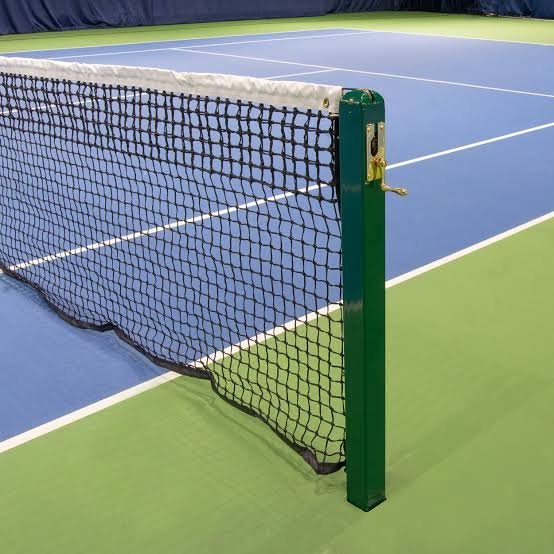
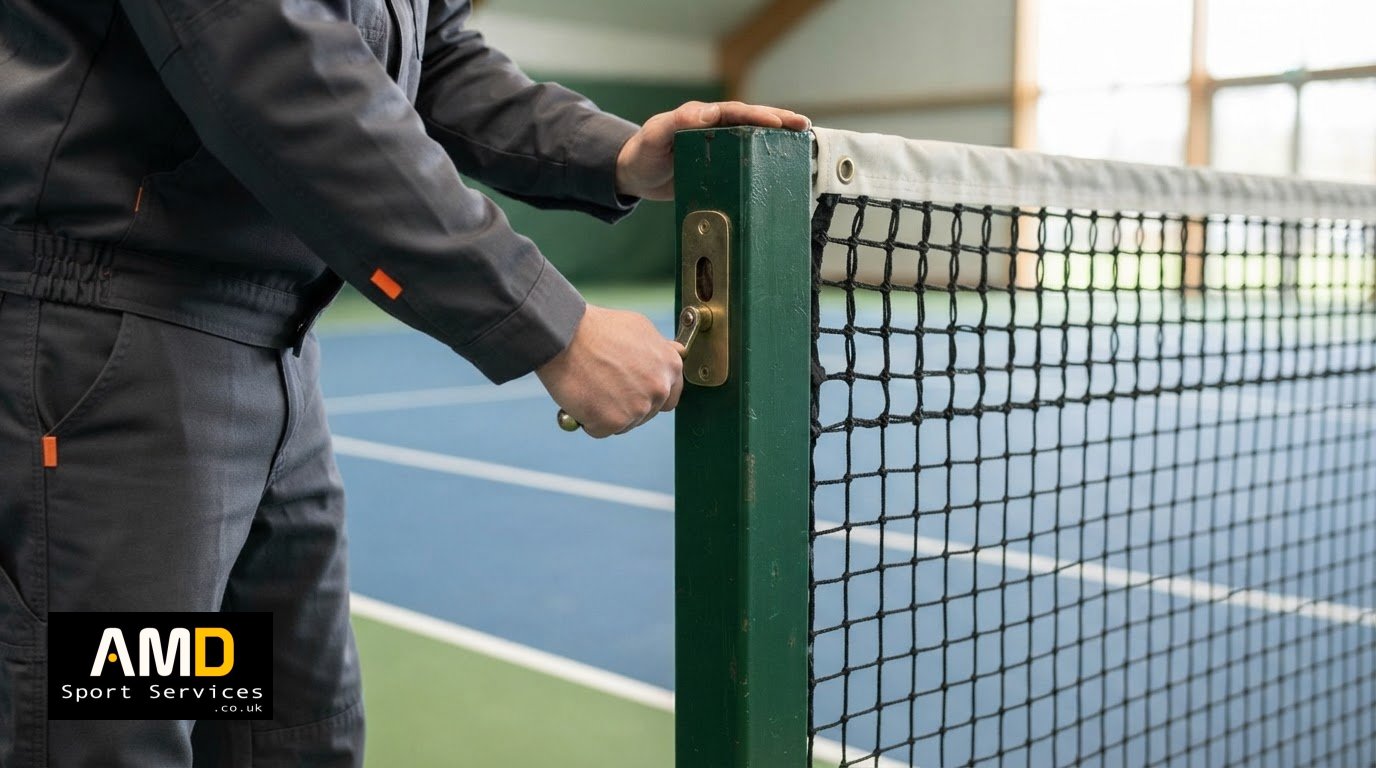
Goals and posts: basketball goals, football goals, and tennis and netball posts, including installation and repairs. Bespoke games posts can be manufactured to your requirements. Wall-mounted games posts can span the full width or length of a sports hall and be height-adjusted for badminton and volleyball. They are particularly useful when court markings sit close to a wall. Bespoke powder coating colours and a school name or logo can also be incorporated.
Netting: indoor and outdoor sports netting systems, including sports hall division nets, cricket netting and throwing or hammer cage netting.
Gymnastics equipment: trampoline servicing and repairs, alongside repairs to other sports equipment.
Athletics infrastructure: long jump runways, tartan tracks, pole vault troughs and throwing cages, with installation, refurbishment or repair depending on the asset.
Sports surfaces are part of the same picture. Court marking renewal and safety surfacing can relate directly to how equipment and activity areas are laid out and used. When choosing playground or long jump runway surfacing, consider the base and the required critical fall height, which determines how thick the surface is laid. Resin bound rubber mulch can be laid directly on grass and is a popular choice for play equipment on a school field. It can be sloped off and finished without a hard edge. Resin bound rubber crumb needs a solid base, such as asphalt or concrete, and a hard edge, such as concrete, to bind to. It is more popular for playground-based play equipment and long jump runways. Crumb is available in more colours, especially bright ones, while mulch colours are more subdued.
For existing long jump landing pits, covers are shipped to customers and do not require on-site replacement work. The covers are meshed to keep debris out while allowing water to pass through rather than sit on the surface. They are chain weighted, with chain stitched internally around the perimeter, and can be pegged to the floor for extra security. Order a cover 1 to 2 metres wider and longer than the landing pit.
Landing pit edge protection can be added to an existing pit when haunched concrete edging causes an issue, for example when the pit is too narrow in relation to the runway, the edging is too raised or safety padding is wanted. AMD supplies and fits right-angled EPDM edging, secured to the top and inner edge of exposed concrete. For new landing pits, AMD installs EPDM rubber edging instead of haunched concrete. It requires a higher initial investment, but is far safer and longer lasting.
How is specialist maintenance different from general facilities work?
General facilities work concerns the wider building and its infrastructure. Sports-specific maintenance focuses on equipment and surfaces designed for particular activities. A contractor needs to understand how an asset is installed, adjusted, moved, stored or used in play. That context affects the work required and how it can be organised around a facility’s timetable.
A specialist sports facility contractor maintains, repairs, installs and improves the sports equipment and surfaces that enable a facility’s activities. This is distinct from broad building refurbishment, though both types of work may sit within an organisation’s wider facility management principles. Keeping the scopes clear helps staff identify whether an issue relates to the building itself or to sports equipment and playing areas.
AMD Sport Services works across the UK, combining equipment maintenance with specialist repairs, installation and surfacing. Its sports equipment service and maintenance covers assets across different facility types, so related needs can be considered within the same maintenance plan.
How planned sports facility maintenance links inspections, repairs and upkeep
Planned maintenance gives facility teams a clear way to turn an asset’s condition into practical work. It helps distinguish routine upkeep from a fault that needs repair, then fit the response around the facility’s activities. Keeping priorities and completed work visible makes it easier to follow up on known issues.
Planned upkeep connects what an asset needs with how often, and how intensively, the facility uses it. A maintenance plan is a working record of priorities, not a fixed schedule that assumes every goal, net or surface needs attention at the same time. Activity patterns and assets differ between schools, leisure centres, clubs and council facilities.
What affects a sports facility maintenance schedule?
Start with the asset and its use. Equipment used regularly for several activities faces different demands from equipment brought into use occasionally. The facility’s operating pattern, the tasks an asset performs and its observed condition all help shape the maintenance approach.
Surfaces and equipment need different kinds of attention. A sports surface may require work to its finish or markings, whilst a moving piece of equipment may need a repair to a mechanical part. Schedule work to reflect these differences and the facility’s available access windows, rather than applying one frequency to every asset.
How can inspection findings lead to maintenance action?
An inspection finding is a starting point for deciding what work is appropriate, not a repair plan by itself. Use a straightforward sequence to keep the next steps clear:
Identify the issue: record which asset is affected and describe the fault or change in condition.
Assess the work: establish whether the finding calls for routine upkeep, a repair, refurbishment or further specialist attention.
Arrange the response: plan the work around access, the asset’s role and the facility’s schedule, then record what has been addressed.
For instance, a fault affecting equipment used in a sports hall may need a different response from wear identified on an athletics surface. Grouping related tasks can help facility teams plan access and avoid clashes with bookings. A sports hall inspection and maintenance plan can bring indoor equipment findings and follow-up work into a clearer sequence.
Maintenance also sits within the wider planning context for sports provision. UK government planning policy for sports facilities addresses the role of open space, sport and recreation facilities in planning. It provides context for organisations responsible for these spaces, but does not set a maintenance frequency for individual assets.
A sports facility maintenance contractor UK organisations work with can connect condition findings to repairs and upkeep, while keeping the work specific to each facility. This makes it easier to set priorities, coordinate access and maintain a record of completed work.
How to assess contractor scope for sports equipment, surfaces and facilities
Match the facility’s needs to the type of work and the assets involved. This helps distinguish specialist equipment repairs from installation, netting or surface work, even when several needs sit within the same site. The work still needs to suit the particular asset and how it is used.
The comparison below gives a practical starting point. It describes different types of work, not a claim that every contractor provides the same combination of services.
When is an equipment specialist relevant to a facility?
Equipment-specific work is relevant when an asset needs inspection, repair or installation in relation to its sporting function. A goal, post, trampoline or throwing cage has its own fittings and use context; broad building refurbishment does not address those details. A goal fault and a netting requirement can be considered as separate tasks within the same site plan.
When do sports surfaces or infrastructure need specialist attention?
Sports surfaces and athletics infrastructure call for work suited to their material and purpose. Examples include tartan tracks, long jump runways, pole vault troughs and court marking renewal. Work may involve installing or refurbishing a surface, or renewing markings, rather than general building repairs. AMD’s external sports equipment installation work includes long jump runway installation.
Scope can overlap without being interchangeable. A facility may need equipment repair and surface renewal, but each requires its own assessment and work plan. Clear descriptions of the affected assets help identify whether the right response is inspection, repair, installation, netting or surfacing.
AMD Sport Services supports schools, councils, leisure centres and sports clubs across the UK with specialist maintenance, installation and surfacing. Identifying the assets and work required helps keep the plan focused on the facility’s actual needs.
How specialist maintenance work can progress from assessment to completion
Good project delivery starts with a clear picture of the issue and ends with the completed work reviewed against the agreed scope. For a sports facility maintenance contractor UK sites use, that means understanding the affected asset, its location and how the facility operates before arranging access or starting work. Each stage helps keep the response relevant to the job.
How are site requirements and access considered?
First, identify what needs attention, where it is and what work is required. The contractor can then assess site conditions and how the task relates to surrounding equipment or surfaces. If elevated equipment is involved, such as roof-mounted basketball goals or high-level netting, access planning is part of the job. High level inspections may also be relevant where elevated equipment needs inspection.
Facility use matters too. A sports hall, athletics area or playground may have bookings and activities to work around. Knowing when the space is in use helps coordinate access and sequence the work. Facility teams can provide information about the asset, its location and the site’s operating pattern to support practical planning.
How are repairs, installation or surfacing work completed?
Once the scope and access arrangements are understood, the work follows the project requirements. A repair focuses on the affected equipment or surface; an installation involves fitting the specified asset; surfacing work follows the needs of the area being renewed or improved. A clear scope helps everyone understand what the work is intended to address.
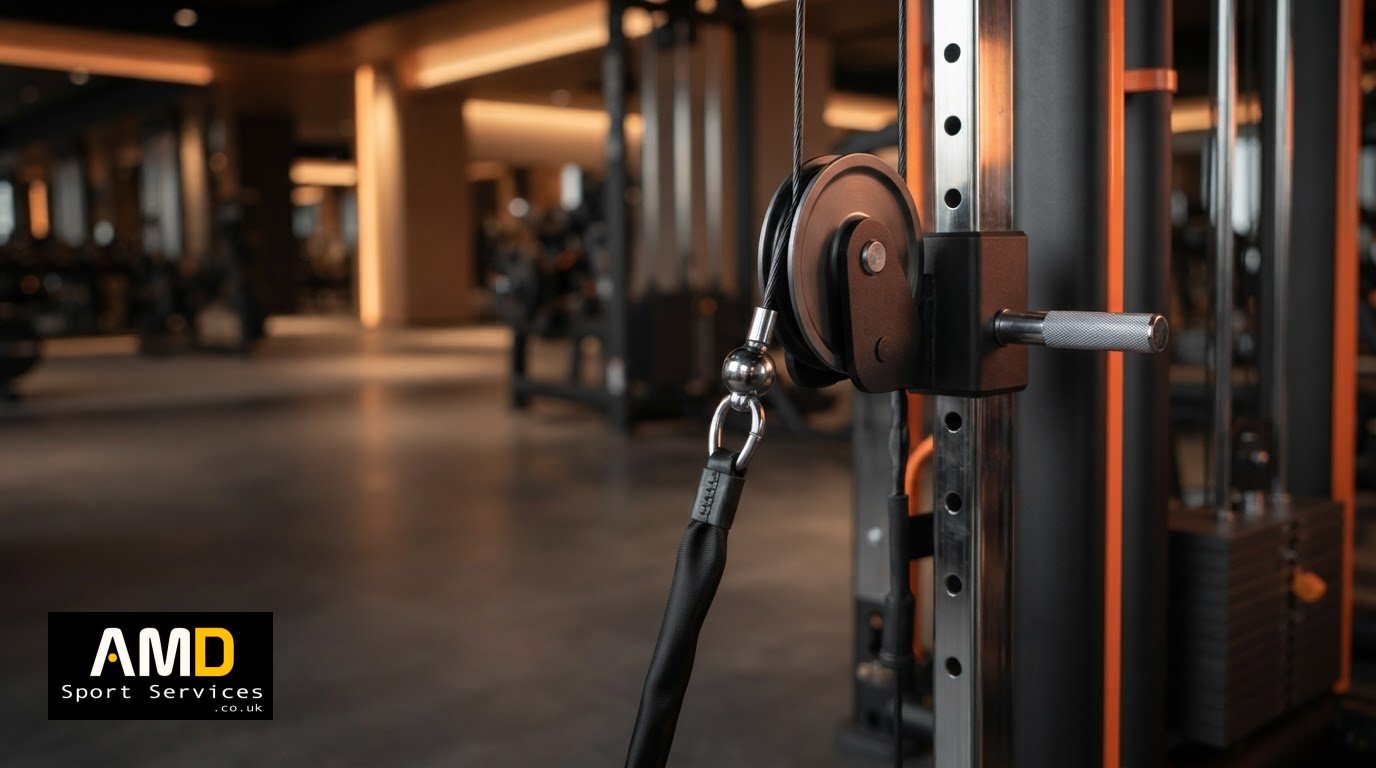
Track repairs show how the response depends on the fault. Common issues include misaligned or unlevel joins, bent track, crossover problems and broken trolleys getting stuck. These faults prevent trolleys from running freely through the track. Balls, hammers or similar objects can bend the track. Most issues can be repaired with tools after gaining high level access to the trackway. In the worst cases, the damaged section can be cut out and replaced with a new piece that matches our track profile or another supplier’s track profile. Other equipment and surface projects require their own suitable method.
For indoor sports halls, linking inspection findings to follow-up work helps clarify the project sequence. AMD’s indoor inspection and maintenance work supports this connection between identifying equipment needs and arranging the relevant action.
At completion, review the work against the agreed scope and record any relevant follow-up needs. This gives facility teams a clear record of what was addressed and helps inform future maintenance planning. Discuss your sports facility maintenance requirements with AMD Sport Services.
How AMD Sport Services supports UK sports facility maintenance
Specialist maintenance is most useful when the facility’s requirement is clear. A fault may affect one item, or several related needs may need attention together. AMD Sport Services focuses on the sports asset and work required, rather than treating every issue as a general building refurbishment project.
For a facility manager, the aim is to establish a workable scope that reflects the site’s priorities. This can mean separating equipment concerns from planned improvement work, then considering how each fits with the facility’s operation. A clear distinction helps teams understand what is being addressed and how specialist maintenance sits alongside wider facilities planning.
Which specialist services can support different facility needs?
AMD provides sports equipment safety inspections, repairs, installation and surface work. Related requirements can be considered in context, with the facility’s assets and priorities at the centre of the discussion. A school, council, leisure centre or club can focus on the work relevant to its site.
This is useful when a maintenance requirement touches more than one area of facility planning. Describe the asset and the work needed in practical terms. AMD’s sports equipment service and maintenance provides a starting point.
Define the priority: distinguish the issue requiring attention from any longer-term improvement being considered.
Set the scope: identify the sports asset and the type of work under consideration.
Consider the setting: account for how the affected space is used and how the work relates to facility operations.
These points help facility teams approach maintenance as a considered decision, rather than an open-ended list of tasks. They also create a shared basis for discussing the work with the people responsible for the site.
What is a practical next step for a facility manager?
Identify the main priority and the result the facility needs from the work. If several concerns are under review, distinguish them rather than combining them into a vague request. This gives the discussion a clear purpose and keeps it centred on the facility’s requirements.
Describe the asset, its location and the work being considered. If you’re planning specialist maintenance for your school, council, leisure centre or club, discuss your facility’s requirements with AMD Sport Services.
Make your next maintenance decision practical
Good maintenance planning starts with a clear priority: an issue affecting use, equipment that needs attention or a surface requiring renewal. Match the work to the asset, then plan it around the facility’s needs. A specialist sports facility maintenance contractor UK organisations can work with brings focused knowledge to those decisions. AMD Sport Services has more than 20 years of industry experience supporting sports facilities.
For a useful first conversation, describe the equipment or surface involved, its location and the work you believe is needed. This gives the discussion a practical starting point, whether you’re addressing one fault or several maintenance requirements.
Start a conversation about your facility’s maintenance needs with AMD Sport Services.
Frequently Asked Questions
How often should sports facility equipment be maintained?
All equipment should undergo a thorough visual inspection at least every 12 months, with biannual inspections recommended for equipment that experiences heavy use. The condition of the equipment, how frequently it’s used and the demands placed on it all affect the attention it may need. Record faults and changes in condition so maintenance decisions reflect what’s happening at your facility.
Can a sports facility maintenance contractor work around school or leisure-centre schedules?
Yes. Maintenance work can be planned with a school or leisure-centre timetable in mind. Sharing information about bookings, busy periods and the affected space or equipment helps identify practical access arrangements. Work on sports hall equipment, for example, needs to account for activities using the hall. Scheduling should be discussed as part of defining the work.
What should a sports facility manager do when equipment develops a fault?
Record what has happened, identify the affected asset and location, and consider whether continued use could present a concern. If you believe the equipment may be unsafe, follow your organisation’s procedures for restricting access or use while the issue is assessed. A clear description, including when the fault occurs and any visible damage, helps a specialist understand the problem and determine what assessment or repair may be appropriate.
Can one contractor maintain both indoor and outdoor sports equipment?
Yes. A sports facility maintenance contractor UK organisations engage may cover indoor and outdoor assets, although each has distinct requirements. Indoor sports halls can involve basketball goals, gymnastics equipment and sports hall netting; outdoor work can include cricket netting, athletics infrastructure and playground surfacing. AMD Sport Services works across these areas. The right approach depends on the asset’s setting, use and condition.
Is sports facility maintenance limited to inspections and repairs?
No. Maintenance can also include installing equipment, refurbishing sports infrastructure and renewing surfaces or court markings. An inspection helps identify condition, a repair responds to damage, and installation or refurbishment changes or renews an asset. A new athletics area may need installation work, whilst an existing surface may call for refurbishment. The scope depends on the project.
Can damaged sports equipment always be repaired rather than replaced?
No. The suitable response depends on the asset, the nature and extent of the damage, and its overall condition. Some faults can be repaired; more substantial damage may call for replacement or refurbishment. A specialist assessment helps establish which option fits the equipment and the work required. Don’t assume a repair is suitable before the fault and affected parts have been examined.
Comments