
Tartan track resurfacing costs and surface options for UK facilities

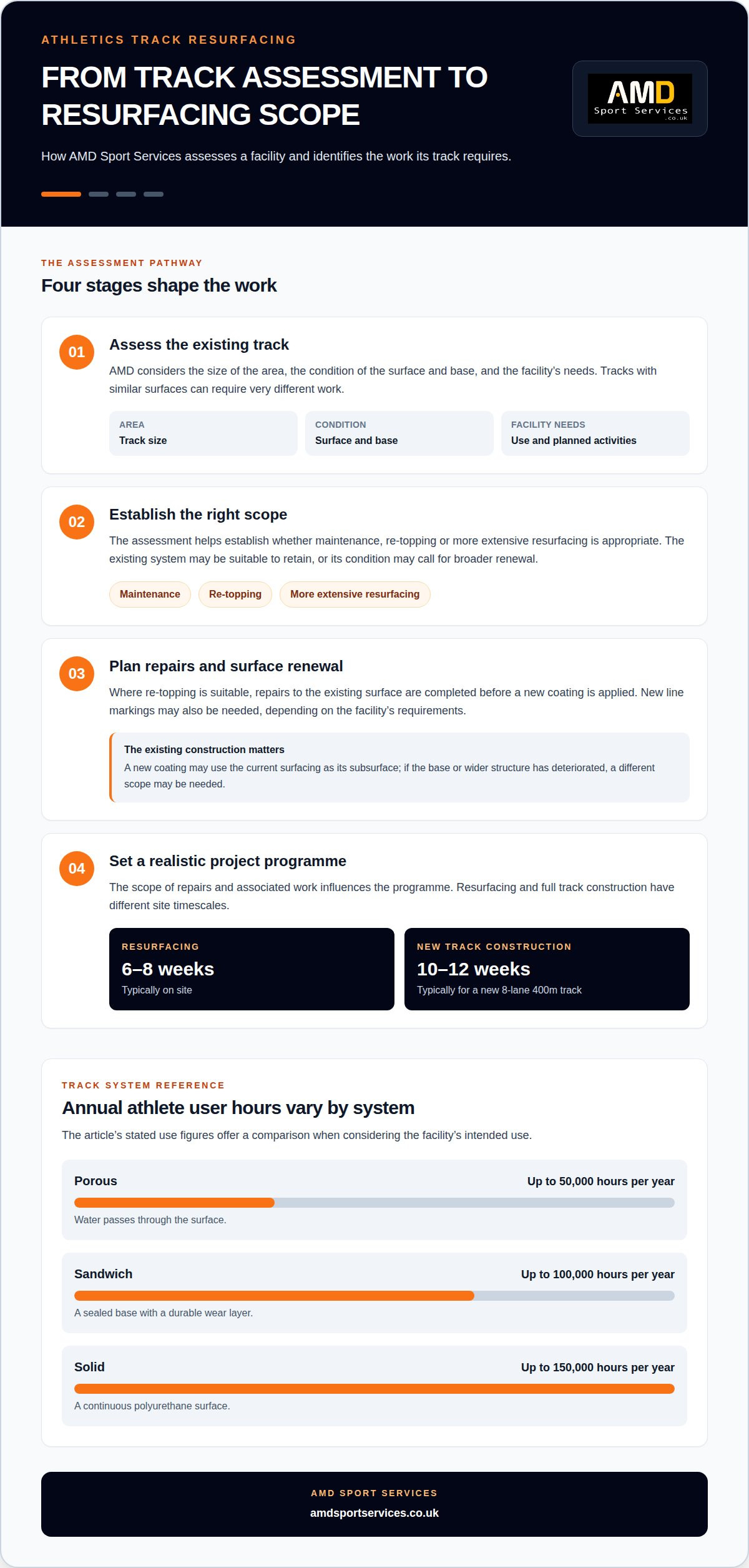
The cost of tartan track resurfacing depends on the area’s size, the condition of the surface and base, and whether repairs or new line markings are needed. AMD Sport Services assesses these factors to establish the scope of work for each facility.
Tracks with similar surfaces can require very different work. The existing system may be suitable for re-topping, or its condition may call for more extensive resurfacing. Our assessment helps schools, leisure centres and other UK facilities understand the work their track requires.
AMD provides track assessment and resurfacing services, including repairs and re-topping where appropriate. Ongoing maintenance can also help facilities plan for their track’s future needs.
What’s the difference between a porous, sandwich track and full polyurethane running track system?
Track construction affects drainage, surface performance and the work required for renewal. The existing system and the facility’s intended use both shape the specification.
Porous and Non-Porous Construction
A porous spray coat track has a polyurethane layer containing bound black rubber granules, finished with a thin polyurethane layer and coloured EPDM spray. Water passes through this surface. A sandwich system has a sealed base and a durable wear layer, creating an impermeable surface. Full polyurethane systems use solid PU surfacing, so their construction and water management differ from those of porous tracks.
For a UK facility, the project specification should clearly identify the selected surface system and its intended use. Where a facility seeks World Athletics certification, the certification period is 5 years. A professional assessment also considers whether the existing track and proposed system suit the activities planned for that site.
Construction and Resurfacing Timescales
Running track resurfacing in the UK typically takes 6-8 weeks on site, while a new 8-lane 400m track typically takes 10-12 weeks to construct. The scope of repairs and associated work influences the programme, so a resurfacing project and a full construction project need separate schedules.
Professional resurfacing starts with assessing the existing surface and defining the scope. Repairs can be completed before a new coating is applied, while re-topping may retain the existing surfacing as its subsurface after minor repairs. Additional work, such as infield facilities or sports lighting, can also form part of a wider construction project.
For a school or leisure centre, AMD’s track assessment considers the existing construction alongside the facility’s needs, helping establish whether maintenance, re-topping or more extensive work is appropriate. The track maintenance service can address the condition of the surface as part of that decision.
DIN EN 14877 2013, Type A identifies water-permeable spray-coated tartan.
Porous, sandwich and polyurethane track systems
The right system depends on how an athletics facility is used, including its training schedule and competition needs. Annual use figures provide a useful comparison: porous tracks are described for up to 50,000 athlete user hours per year, sandwich systems up to 100,000, and solid systems up to 150,000.
Porous surfaces suit outdoor facilities where drainage is important. A sandwich or hybrid system combines layers to create a sealed surface with a durable wear layer. This construction may suit sites seeking a different balance of surface performance and weather protection.
Solid polyurethane systems use a continuous artificial surface rather than a porous construction. Their stated use assumptions extend to 150,000 athlete user hours per year. The surface type and expected level of use should therefore be considered together.
Prefabricated track systems use manufactured matting supplied in rolls measuring 1.22 metres wide and 30 metres long. These systems are recommended for resurfacing after 10-15 years, depending on use. Their factory-made format differs from track surfaces laid entirely on site, so the existing construction affects whether this approach is suitable.
Full-PU and sandwich surfaces can last up to 30 years, depending on use and environmental conditions. That figure is not a maintenance interval: weather exposure, athlete traffic and the track’s construction all influence its condition. For a school hosting regular athletics alongside international competitions, the annual-use category helps frame the choice without replacing a site-specific assessment.
Track system selection also shapes the scope of future resurfacing. A tartan track service can address the existing surface as well as the facility’s intended use, helping prevent a specification that overlooks the demands placed on the track.
Re-topping worn Tartan tracks
Re-topping can extend the service life of a synthetic track when its existing surface and base remain suitable. Rather than replacing every layer, a new sprayed polyurethane coating uses the current surfacing as its subsurface. This can make renovation more cost-effective than new construction, because the existing base may be reused.
Suitability depends on more than visible wear. A professional assessment considers force reduction, tensile strength, surface evenness and the condition of the substructure. These factors help determine whether the track can support a new coating or needs more extensive work. On a school athletics track, uneven areas or a weakening beneath the surface can substantially change the scope.
When re-topping is suitable, repairs to the existing surface are completed before applying the new coating. Minor cracks need attention because they can grow and spread through the synthetic surface. The finished layer renews the track’s appearance, while new line markings can help prepare it for sports and competitions.
Re-topping is not the same as complete replacement. If the base layer or wider structure has deteriorated, applying polyurethane over it may not address the underlying problem. A stadium track with widespread surface failure, for example, may need a different renovation scope from a school facility with localised wear and a sound base.
For facility managers, the decision depends on the condition of the whole track, not just its colour or texture. A clear assessment should explain which areas need repair, whether the existing construction can be retained and what the new coating will cover. This helps schools plan around facility use and avoid treating every worn track as a complete rebuild.
This example shows how resurfacing can be scoped as an investment in an existing facility, rather than automatically treating worn surfacing as a complete rebuild. The work still depends on whether the track and its underlying construction are suitable for the proposed treatment.
Porous track maintenance and resurfacing
Regular maintenance helps preserve a porous running track between major works. For facilities planning around school terms or events, the coating’s condition helps determine whether cleaning, re-marking or resurfacing should take priority.
Preparing and Maintaining the Track
A contractor assesses the surface and its drainage before resurfacing, then identifies repairs needed ahead of a new coating. Porous tracks benefit from periodic professional cleaning and respraying, with maintenance needs depending on use. These intervals help facilities plan maintenance rather than wait for visible deterioration.
After re-topping, the surface is reported to be walkable again after 24 hours. That does not mean it is ready for every use immediately, so the contractor should clarify when the track can return to training and events.
Resurfacing Problems and Risks
Cracks can grow and spread if left unattended, while uneven areas or a weakened base can affect whether a new coating is suitable. A professional assessment distinguishes local repairs from wider problems with the track construction. Topping over underlying deterioration may leave the original issue unresolved.
Drainage is another consideration for porous surfaces. If water no longer passes through as intended, the track may not perform as expected in wet weather. A contractor should identify whether the cause relates to the surface condition or another part of the construction.
Line markings also need to be included in maintenance planning. Porous systems are recommended for remarking every 7 years, and facilities using the track for athletics should account for this alongside cleaning and respraying. The surface, markings and planned use all affect the right scope of work.
If your track has cracks, poor drainage or worn markings, arrange a professional review before scheduling work around competitions. Discuss the resurfacing options for your facility with AMD Sport Services.
AMD Sport Services: Tartan track
AMD Sport Services provides tartan track services for schools, sports clubs and leisure facilities planning new work or addressing a worn surface. If you’re weighing up maintenance, re-topping or more extensive resurfacing, the condition of the existing track and its intended use help define the appropriate scope.
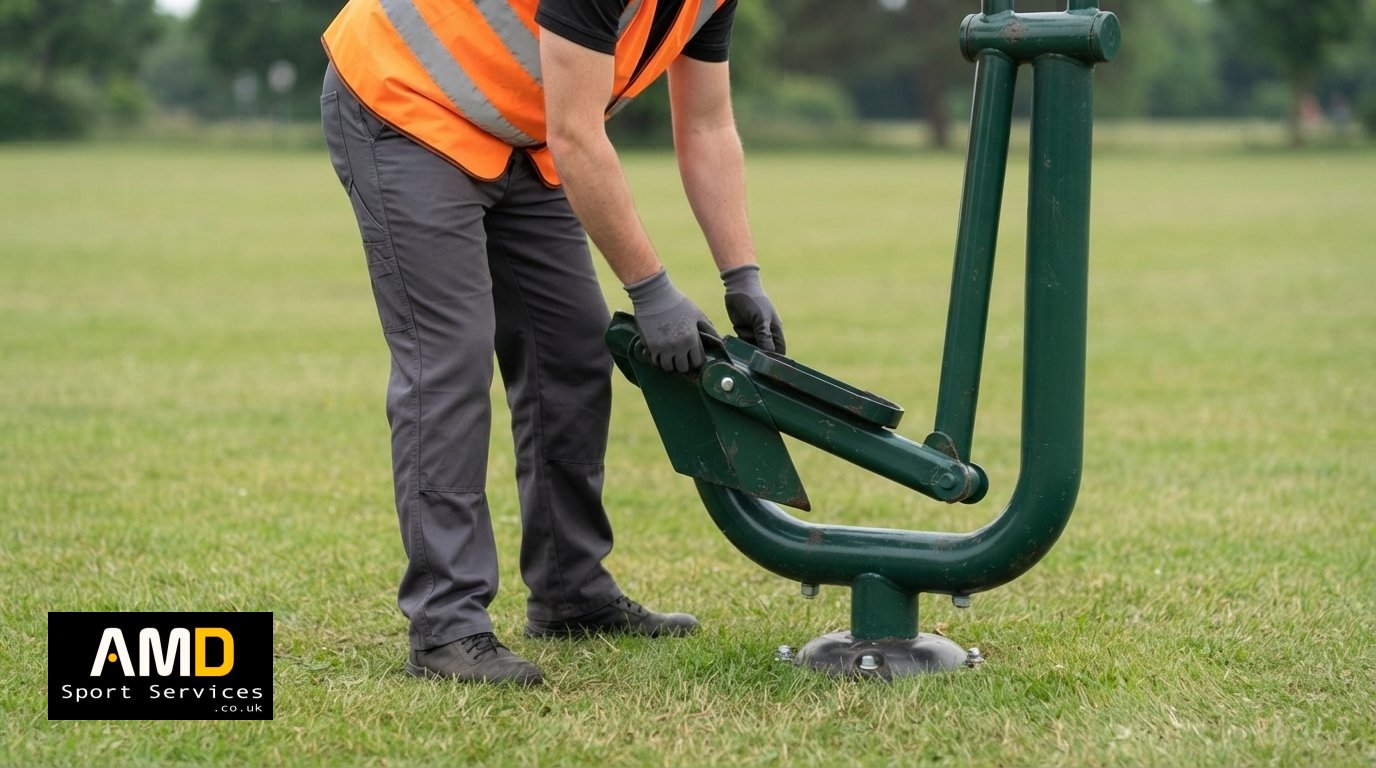
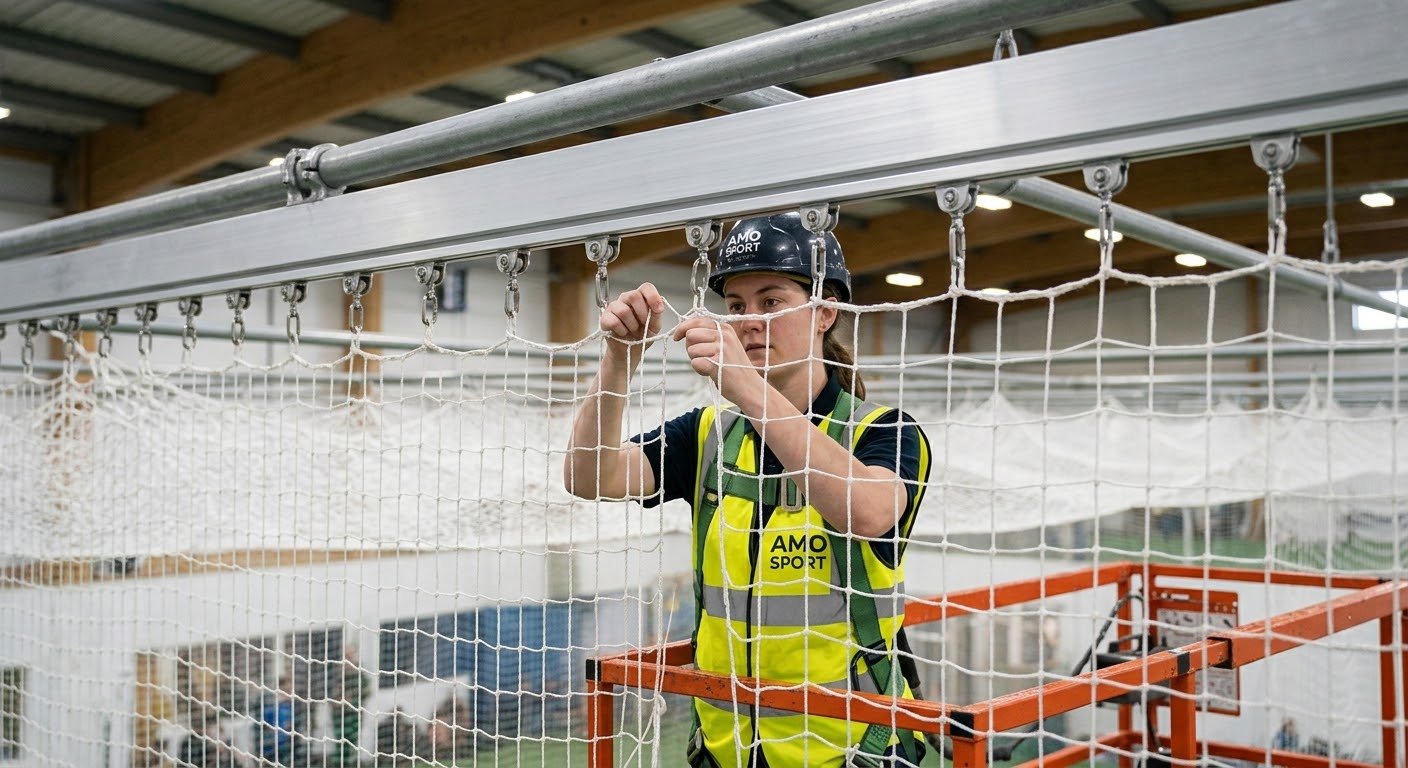
AMD Sport Services also provides sports equipment safety inspections, basketball goal installation and safety surfacing. These services can support wider improvements to a school or sports site alongside track work, with each project assessed according to its requirements.
For a clear discussion of your track project, contact AMD Sport Services.
Plan the next stage for your facility
AMD Sport Services can discuss your track’s condition, intended use and any periods when the facility must remain available. This provides a practical starting point for discussing resurfacing and what the finished project needs to achieve.
For tartan track resurfacing, a clear scope connects operational needs with the proposed work. It also gives your school, club or leisure centre a sound basis for planning the project.
Contact AMD Sport Services to discuss your facility’s requirements and consider the way forward.
Frequently Asked Questions
What factors influence the cost of a running track?
A running track budget depends on whether the project is a new facility or renewal of an existing one, and whether associated facilities are included. For a useful comparison, separate track work from items such as sports lighting or infield provision. This makes clear which elements shape the overall project and avoids comparing facilities with different scopes.
How Long Does a Modern, Seamless Tartan Surface Last?
A modern seamless tartan surface can last from 8 to 30 years, depending on its construction and exposure to environmental stresses. That broad range means age alone does not establish how much useful life remains. For facilities planning future budgets, the surface’s observed condition and pattern of use provide context for considering when renewal may be needed.
What is tartan track resurfacing and when is it needed?
Tartan track resurfacing renews a synthetic running surface, sometimes retaining the existing construction where it remains suitable. It may be appropriate when wear affects the surface’s use for training or competition. A professional assessment helps distinguish surface deterioration from issues requiring broader work, so the proposed project addresses the track’s condition, not just its appearance.
How much does tartan running track resurfacing cost in the UK?
The price depends on the facility and agreed scope, so a single figure would not represent every UK track. AMD Sport Services provides a free, no-obligation quotation for resurfacing work. For a useful budget decision, consider the written scope alongside the facility’s planned use and any associated work, rather than relying on a headline amount that may cover different items.
What factors affect the cost of resurfacing an athletics track?
Cost is shaped by the work included and whether the project covers the track alone or forms part of wider facility improvements. The specification should make those boundaries clear, including any associated work outside the running surface. For a school or leisure centre, comparing quotations against the same defined scope gives a more meaningful basis for budget planning.
How long does tartan track resurfacing take?
The programme depends on the agreed work and the time needed to coordinate access to the facility. Schools may need to plan around term dates, while clubs and leisure centres may need to consider regular bookings. A project schedule should identify the expected period when the track will be unavailable, helping managers coordinate activities and communicate closures to users.

Comments